



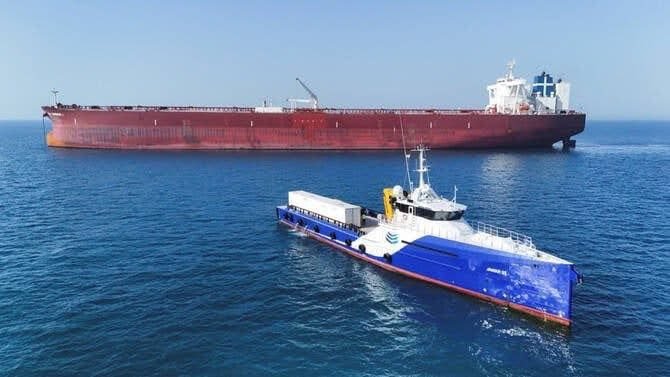

Tensions have resurfaced in the Middle East as Iran has once again tightened control over the Strait of Hormuz, barely 24 hours after reopening it to international shipping.
The renewed restrictions follow accusations by Iranian authorities that the United States is continuing acts of “piracy” and “sea robbery” under the guise of enforcing a naval blockade.

Earlier in the week, Washington announced a blockade of the vital shipping route, a move that has further strained relations between both nations. Despite Iran briefly reopening the passage on Friday, U.S. President Donald Trump maintained that the blockade would remain.
“Until such time as our transaction with Iran is 100% complete,” Trump said, signaling that restrictions would not be lifted immediately.
Although both countries are reportedly engaged in discussions aimed at achieving lasting peace, the situation remains fragile despite a ceasefire being in effect.
In a statement issued on Saturday, an Iranian military spokesman said the continued U.S. blockade forced Iran to reverse its decision to allow free passage through the waterway.
“As a result, control over the Strait of Hormuz has been returned to its previous state, and this strategic waterway is under strict management and control by the Armed Forces,” the spokesman said, according to Tasnim news agency.
He further stressed that the situation would not change unless the United States lifts its restrictions on maritime movement involving Iran.
READ ALSO:
- Tinubu Accuses Opponents of Creating Hunger, Poverty at Kaduna Rally
- Military Tanks, Personnel Deployed at Abuja City Gate Ahead of Obi-Kwankwaso Mega March
- Zlatan Unveils Traditional Wedding Photos
- Okoya Family Disputes Fatai’s Firstborn Claim, Reveals Benefits Received
- Macron Postpones Nigeria Visit Amid Protests, Unrest in France
“Until the US ends restrictions on the free movement of vessels from Iran to their destinations and from elsewhere to Iran, the situation in the Strait of Hormuz will remain tightly controlled and unchanged from its previous status.”
The Strait of Hormuz remains one of the world’s most critical oil transit routes, making the ongoing standoff a matter of global economic and security concern.