



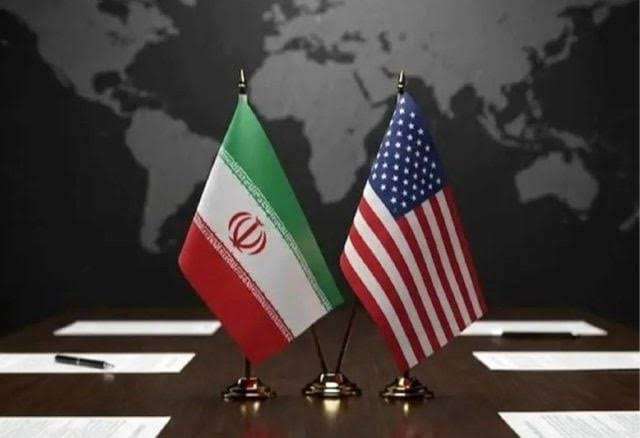

The United States has released the full text of a 14-point Memorandum of Understanding (MoU) with Iran, detailing a framework aimed at ending hostilities and setting the stage for a broader peace agreement.
Titled the “Islamabad Memorandum of Understanding between the United States of America and the Islamic Republic of Iran,” the document was published following growing calls for transparency after key details of the deal began circulating, according to CNN.

A senior U.S. administration official said the MoU is designed to reopen the Strait of Hormuz, address Iran’s enriched nuclear material stockpile, and create a pathway toward sanctions relief tied to compliance.
READ ALSO:
- Jide Kosoko Opens Up on Debt After ₦300m Film Investment Failed to Pay Off
- Ghana Tightens Airport Screening After Ebola Cases in Kenya, Nigeria
- Broda Shaggi Recounts Months of Uncertainty After Stray Bullet Injury
- Over 30 Students Hospitalised After Fresh Gas Leak in Ogun Schools
- Man Dies Rescuing Toddler Who Fell Into Well in Lagos
The agreement is expected to be signed on Friday, after which both countries will enter a 60-day negotiation period to finalize a binding deal.
Key Points Of The Memorandum
- End of hostilities: Both countries agree to immediately and permanently end military operations across all fronts, including Lebanon, and avoid any use or threat of force.
- Respect for sovereignty: The U.S. and Iran commit to respecting each other’s sovereignty and non-interference in internal affairs.
- 60-day negotiation window: A final agreement is to be reached within 60 days, extendable by mutual consent.
- Maritime and naval adjustments: The U.S. will begin easing naval restrictions immediately and fully lift them within 30 days of a final deal, including withdrawal of forces near Iran.
- Safe passage in waterways: Iran will facilitate safe passage for commercial vessels in the Persian Gulf and Strait of Hormuz for a limited 60-day period.
- Strait of Hormuz administration talks: Iran will engage regional partners, including Oman, to discuss future maritime governance in the Strait.
- Economic reconstruction plan: A proposed $300 billion reconstruction and development package for Iran will be developed with regional partners.
- Sanctions relief: The U.S. will work toward lifting all sanctions, including unilateral and international restrictions, in phases tied to compliance.
- Nuclear commitments: Iran reaffirms it will not develop nuclear weapons, while both sides agree on a mechanism for managing enriched uranium under IAEA supervision.
- Status quo during talks: Both sides agree to maintain current conditions pending a final deal, with no new sanctions or troop deployments by the U.S. and no changes to Iran’s nuclear posture.
- Oil and financial access: The U.S. will issue waivers for Iranian oil exports and related financial transactions during implementation.
- Frozen assets: Iran’s frozen or restricted funds may be released and made available for use under agreed procedures.
- Implementation mechanism: A joint mechanism will be created to monitor compliance and ensure execution of the agreement.
- Final endorsement: The final agreement will be submitted for approval through a United Nations Security Council resolution.
The MoU is expected to serve as the foundation for wider negotiations aimed at a long-term settlement between both countries.