



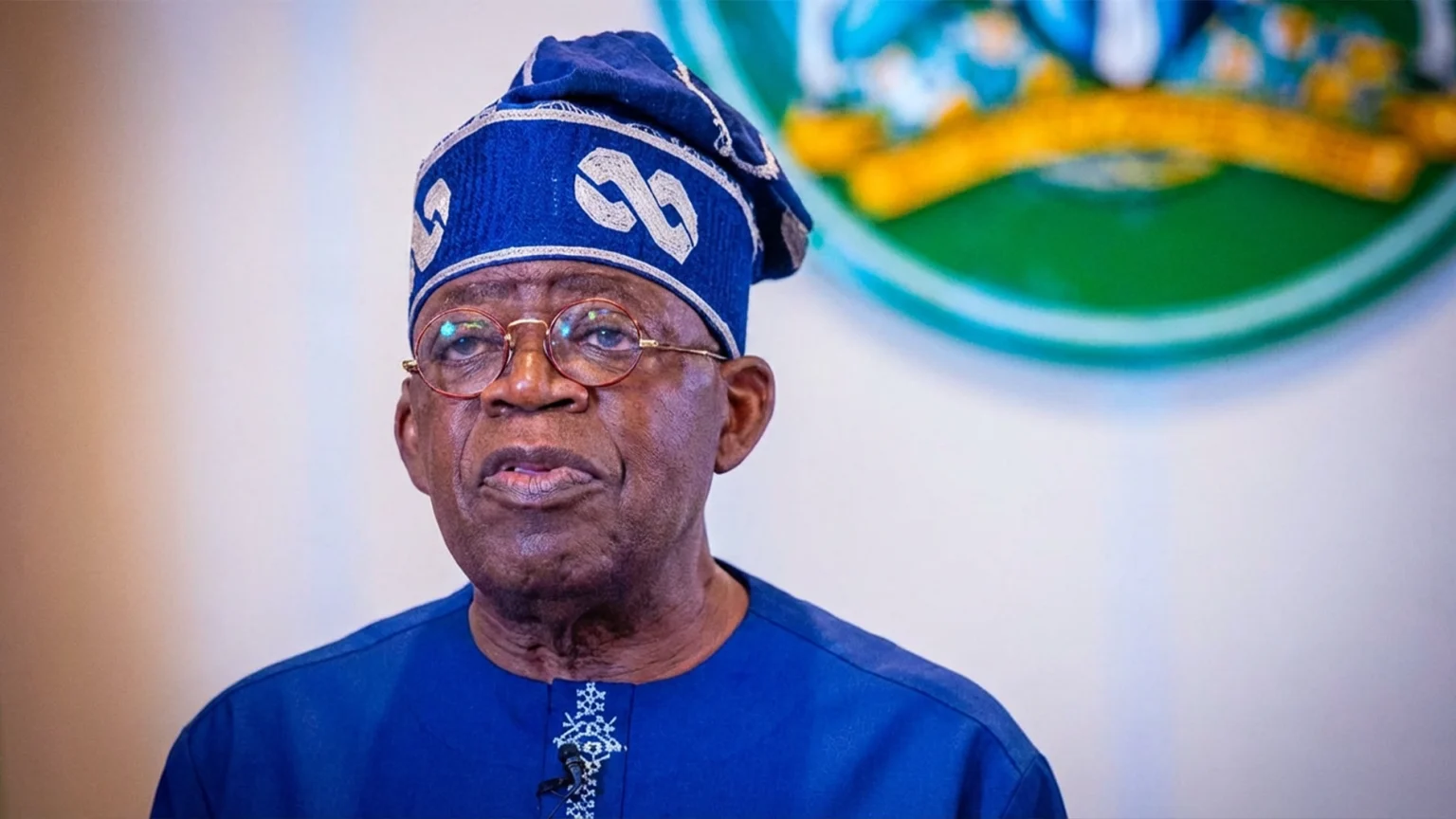

President Bola Tinubu has approved a ₦3.3 trillion payment plan aimed at clearing long-standing debts in the power sector and improving electricity supply across the country.
The initiative is part of efforts under the Presidential Power Sector Financial Reforms Programme, covering debts accumulated between February 2015 and March 2025. Following a detailed review, the federal government agreed on the ₦3.3 trillion figure as a final settlement to ensure accountability and transparency.

According to a statement issued on Sunday by the Special Adviser to the President on Information and Strategy, Bayo Onanuga, the implementation of the repayment plan has already commenced.
“The debt repayment plan followed the final review of the legacy debts that have beset the power sector for more than a decade.
“The long-standing debts accumulated between February 2015 and March 2025. Following verification, ₦3.3 trillion has been agreed as a full and final settlement, ensuring a fair and transparent resolution.
“Implementation has begun, with 15 power plants signing settlement agreements totalling ₦2.3 trillion. The Federal Government has already raised ₦501 billion to fund these payments. Out of the amount, N223 billion has been disbursed, with further payments underway.
“What this means for Nigerians: With payments reaching the power value chain, generation will be more stable. With power plants supported, electricity reliability will improve.”
READ ALSO:
- Lagos Court Bars Lizzy Anjorin From Sharing Rakeem’s Photos
- FG Orders Closure Of First Niger Bridge
- Presidency Clarifies Tinubu’s US FOIA Case, Says It Is Not Criminal Proceeding
- Ogogo’s Family Thanks Yayi For Support During Actor’s Illness
- Peter Obi Warns Against Electoral Malpractice Ahead Of 2027 Elections
The Special Adviser on Energy to the President, Olu Arowolo-Verheijen, said the initiative goes beyond debt repayment and is designed to restore confidence in the sector.
“This programme is not just about settling legacy debts. It is about restoring confidence across the power sector — ensuring gas suppliers are paid, power plants can keep running, and the system begins to work more reliably,” she said.
She further explained that the reforms include improved metering systems and tariffs linked to service quality, while prioritising electricity supply to businesses and industries to drive economic growth and job creation.
“The goal is simple: more reliable power for homes, stronger support for businesses, and a system that works better for all Nigerians,” she said.
President Tinubu also commended stakeholders involved in resolving the sector’s challenges, noting that the next phase of reforms, Series II, will begin within the current quarter.