



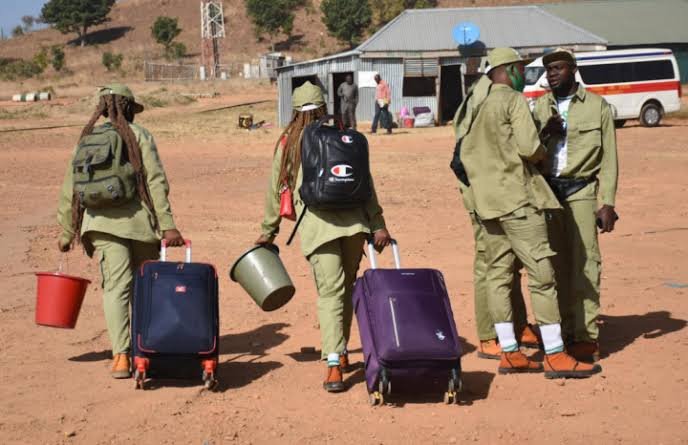

The National Youth Service Corps has disciplined 24 corps members in Sokoto State for various offences, including absenteeism and absconding from their places of primary assignment.
The state coordinator, Usman Yakubu-Yaro, disclosed this during the passing-out ceremony of the 2025 Batch A, Stream 1 corps members held on Tuesday in Sokoto.

According to him, eight of the affected corps members will have to repeat their service year, while 16 others received extensions of their service period due to their misconduct.
Yakubu-Yaro stressed that the scheme maintains “zero tolerance for truancy,” noting that the sanctions were necessary to uphold discipline within the programme.
He also revealed that two corps members were honoured with the Sultan Sa’ad Abubakar Award in recognition of their “outstanding contribution towards uplifting the living standard of their host communities”.
Addressing the outgoing corps members, the coordinator encouraged them to represent the scheme and their families positively, while making good use of the skills they acquired during their service year.
He further cautioned them against travelling at night, advising that they should seek shelter in safe locations such as NYSC offices, military barracks, police stations, or traditional rulers’ residences if stranded.
Yakubu-Yaro appreciated Sokoto State Governor, Ahmed Aliyu, for his continued support, particularly in sustaining the payment of allowances to corps members.
READ ALSO:
- Lagos Varsity Workers Declare Strike Over Unpaid Nine-Month Salary Arrears
- Imo Abductions: IGP Deploys DIG To Lead Rescue Of 20 NYSC Prospective Members
- Amaechi: Rising Drug Costs Under Tinubu Contributed To My Mother’s Death
- 15 Villagers Killed In Fresh Boko Haram Attack In Borno
- INEC Opens Portal For 2027 Election Ad Hoc Staff Recruitment
He also acknowledged the backing of the Sultan of Sokoto, Sa’ad Abubakar III, praising his commitment to youth development and the NYSC scheme.
The coordinator added that corps members deployed to rural communities have contributed significantly to development efforts, especially in the health sector, where medical personnel have provided care to thousands of residents through outreach programmes.