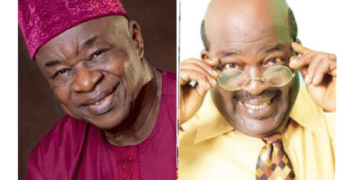




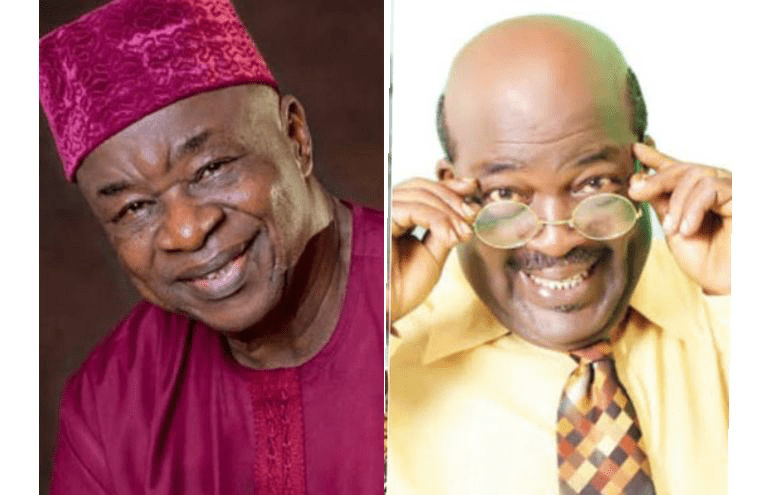

Veteran filmmaker Wale Adenuga has revisited the controversy surrounding the removal and eventual return of Abiodun Ayoyinka as the iconic character Papa Ajasco.
In an interview with The Punch, Adenuga revealed that the actor was initially taken off the role due to alleged misconduct, including attempts to take control of the brand.

He explained that Ayoyinka had organised an unauthorised tour using the Papa Ajasco name without the consent of the production team, describing the move as a serious violation.
The situation reportedly worsened when the Nigerian Copyright Commission alerted them that the actor had tried to independently register the Papa Ajasco name, despite it already being legally owned by the producers.
“That level of betrayal led to his dismissal,” Adenuga said.
The incident, which generated widespread reactions at the time, led to Ayoyinka’s replacement before he was eventually brought back — a decision Adenuga said was based on practicality.
“I understand the psychology of actors. Sometimes the most talented can also be the most difficult,” he explained.
READ ALSO:
- I Ended The Relationship After Discovering He Was Married – Actress Irewole Olaniyan Spills
- ECOWAS To Deploy Youth Observers For Nigeria’s 2027 Elections
- Madonna University Expels Nursing Student, Suspends 14 Over Viral TikTok Video
- Abductors Give Oyo Corps Members’ Parents 24 Hours To Pay N1bn Ransom
- ‘Leave My Family Alone’ — Woman Accuses Irewole Olaniyan Of Affair With Husband
“As a producer, you sometimes have to choose between talent and temperament.”
Despite the past issues, Adenuga admitted that Ayoyinka’s acting ability made him difficult to overlook.
“Despite everything, I would still work with him because he is a good actor,” he added.
The filmmaker also spoke on the evolving nature of the entertainment industry, noting that his productions have embraced digital platforms to reach wider audiences.
“Our content is now on social media. Some productions like Akpan and Oduma are distributed primarily on YouTube, while WAPTV also has an online presence and app,” he said.
Addressing ongoing conversations about royalties and actors’ welfare, Adenuga acknowledged the need for a more structured system but stressed that the responsibility should not rest solely on producers.
“I agree that actors should benefit more in a structured system,” he said, supporting calls for a regulatory framework within the industry.
He added that such a system would ensure proper compensation and long-term welfare for actors.
“It is not the sole responsibility of producers to manage long-term welfare. A proper industry structure would ensure that everyone is taken care of,” he stated.