



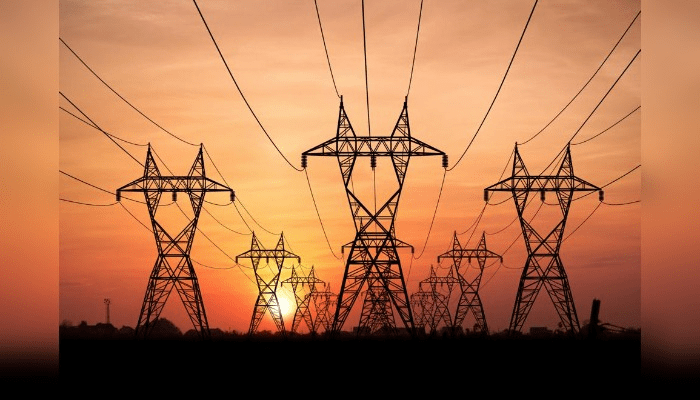

As Nigeria grapples with persistent blackouts, over 250 manufacturers and academic institutions have opted out of the national grid, choosing instead to generate their own electricity.
These organizations, many of which are bulk electricity consumers, have taken this step to secure a stable and reliable power supply amidst rising electricity costs, fuel price hikes, and frequent grid collapses.

Captive Power on the Rise
Captive power generation—electricity produced exclusively for private consumption—has become a growing trend.
According to the Nigerian Electricity Regulatory Commission (NERC), entities granted permits for captive power generation have collectively produced over 6,500 megawatts of electricity, surpassing the national grid’s current output of 4,500–5,000MW.
This surge is largely due to the Electricity Act 2023, signed by President Bola Tinubu, which encouraged private power generation.
Key players in this shift include the Dangote Group, which generates 1,500MW of power, including 435MW from the Dangote Refinery—enough to meet the total power needs of the Ibadan Electricity Distribution Company.
Other notable companies such as Pure Flour Mills Limited (546MW) and Nigeria LNG (360MW) also contribute significantly.
Universities have also joined the movement, with institutions like the University of Lagos, Obafemi Awolowo University, and the Nigerian Defence Academy producing their own electricity.
Expert Concerns and Government Response
While many applaud the ingenuity of captive power generation, experts warn of its long-term implications for the national grid.
Adetayo Adegbenle, Executive Director of PowerUp Nigeria, describes these companies as “anchor tenants” essential for grid stability.
Adetayo emphasizes the need for incentives to bring these bulk users back to the grid to stabilize demand and reduce electricity costs.
The Minister of Power, Adebayo Adelabu, shares similar concerns, highlighting the inefficiency and high costs of captive power compared to grid electricity.
Adebayo estimates the average cost of generating power through captive systems at N350–N400 per kilowatt-hour for gas users and nearly N1,000 for diesel users. Adelabu remains optimistic, stating that efforts are underway to restore confidence in the grid by improving its stability and reliability.
Challenges Plaguing the Grid
NERC has identified frequent voltage fluctuations and grid collapses as key drivers of the migration to self-generated power. These issues have caused significant damage to industrial equipment, prompting businesses to seek alternative solutions. Efforts are ongoing to address these challenges, with stakeholders working to maintain system voltage within acceptable limits to ensure a safer and more reliable supply.
Calls for Renewable Energy
Experts like Kola Olubiyo of the Nigeria Consumer Protection Network argue for a shift towards renewable energy, citing its potential to guarantee 24/7 power supply despite higher initial costs. Adeola Samuel-Ilori, Coordinator of the All Electricity Consumers Protection Forum, also advocates for more accessible renewable energy solutions, urging the government to provide tax waivers and reduce import duties on materials required for alternative power generation.
Looking Ahead
As the debate continues, the push for self-generated power highlights the urgent need for comprehensive reforms in Nigeria’s power sector. While the rise of captive power offers immediate relief to bulk electricity users, the long-term goal remains achieving a stable, reliable, and affordable national grid capable of meeting the needs of all Nigerians.