



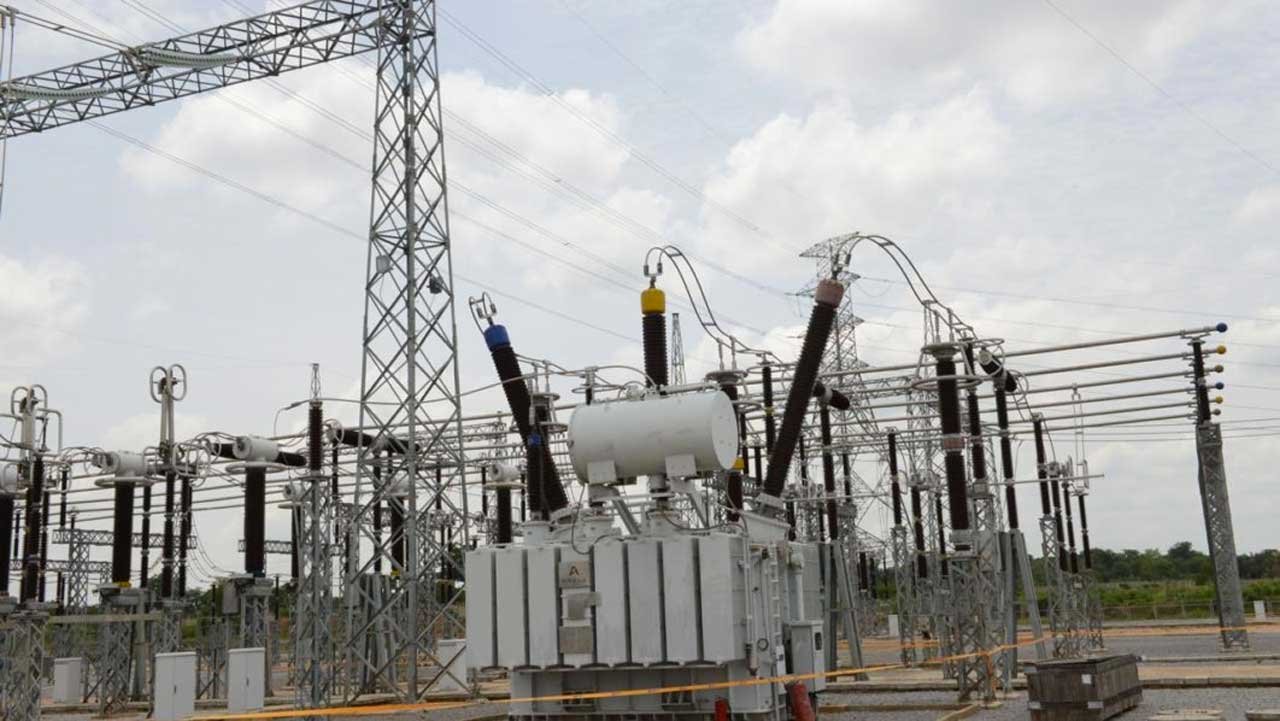

The Federal Government is expected to commence the replacement of ageing infrastructure across Nigeria’s national electricity grid within the next one to two months, according to the Minister of Power, Joseph Tegbe.
Tegbe disclosed this on Monday during an interview on TVC, monitored by TheCable, noting that President Bola Tinubu had expressed strong support for the planned improvements in the power sector.

“So in the next one or two months, we will commence infrastructure replacement across our grid…. President Tinubu is extremely supportive of what we are doing,” he said.
The minister identified the transmission segment as the major challenge facing electricity supply in the country, explaining that some transmission lines had been in service for approximately 50 years.
He said the ministry was carrying out a comprehensive technical assessment of the power sector to determine which facilities required repairs or complete replacement and ensure that available funds were properly utilised.
According to Tegbe, the audit had been ongoing for about a month, with preliminary findings already revealing several infrastructure problems.
“I’m a systems person. So do a technical audit of the entire power sector. And today, we’ve gone about one month into the technical audit. We’ve seen some of the results,” he said.
He explained that the identified faults differed across facilities, with some involving transmission towers, insulators, conductors and relay systems.
“There are places where it is towers that have issues. There are places where it’s insulators. There are places where it’s a conductor relay,” he said.
“What you don’t want to do is start spending money on insulators when you are meant to fix a conductor relay. Now we’re getting a clear picture.”
Gas Supply Challenges Limiting Electricity Generation
On the challenges affecting electricity generation, Tegbe maintained that Nigeria had sufficient natural gas reserves but faced difficulties within the supply chain, including financial constraints and outstanding debts involving power generation companies (GenCos).
The Nigerian Independent System Operator had on November 5 attributed the decline in electricity generation partly to inadequate gas supply and reduced water inflows into hydroelectric power stations.
READ ALSO:
- Peak Unveils New Marketing Manager
- Sanwo-Olu Replaces LAWMA MD Amid Persistent Refuse Crisis In Lagos
- Five Injured As BRT Bus, Commercial Minibus Collide In Lagos
- CAF Reschedules 2026 Awards Ceremony
- Nkechi Blessing Denies Rekindling Romance With Ex, Opeyemi Falegan
However, the Nigerian National Petroleum Company Limited, in a statement on November 7, maintained that its gas transportation network had no operational challenges responsible for the recent reduction in power generation.
Addressing the differing positions, Tegbe said his priority was to ensure Nigerians received adequate electricity rather than allow disagreements among relevant agencies to distract from resolving the sector’s challenges.
He urged stakeholders to focus on improving power supply instead of debating whether gas was available or whether the national grid was collapsing.
The minister added that his responsibility was to ensure proper coordination among the agencies involved in electricity generation, transmission and distribution.
“We have gas as a nation. However, sometimes, that liquidity issue becomes a constraint,” Tegbe said.
Reiterating his position, he described Nigeria’s gas resources as a major national advantage but acknowledged that problems within the supply chain continued to affect their utilisation.
“There’s availability of gas for us as a nation. It’s a comparative advantage. However, within the gas supply chain, there are constraints,” he said.
Tegbe identified the financial difficulties faced by generating companies, particularly their inability to pay for gas due to outstanding debts owed to them, as one of the factors affecting the supply chain.