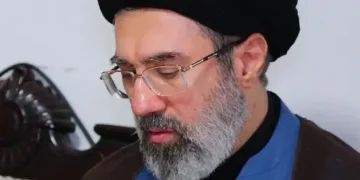




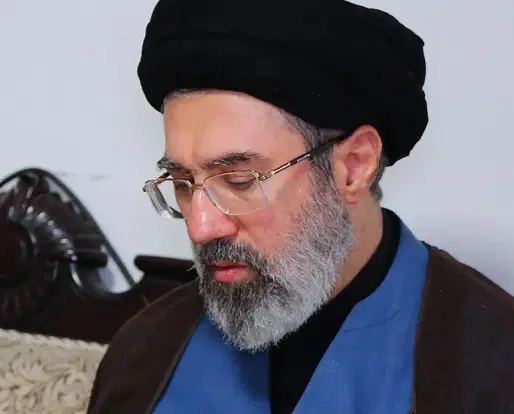

Iran has named Mojtaba Khamenei as the country’s new Supreme Leader, following the killing of his father, Ali Khamenei, according to state media reports cited by Al Jazeera.
The announcement was made on Sunday by the Assembly of Experts, the clerical body empowered under Iran’s constitution to select the Supreme Leader. In a statement circulated by state media, the Assembly said Mojtaba was chosen after a “decisive vote” and called on citizens to remain united in support of the new leadership.

The Assembly urged Iranians, “especially the elites and intellectuals of the seminaries and universities,” to pledge allegiance to the Supreme Leader and help preserve national unity.
Mojtaba’s appointment comes days after the death of Ali Khamenei, who had led Iran since 1989. Ali Khamenei was reportedly killed on February 28 during a joint United States-Israel military operation targeting leadership sites in Tehran amid rising regional tensions.
Speculation over Iran’s next leader had intensified following Ali Khamenei’s death. Mojtaba, a mid-ranking cleric, was widely seen as a top contender despite concerns within segments of Iran’s political and religious establishment about the possibility of a hereditary succession. He is known to maintain strong ties with the Islamic Revolutionary Guard Corps and has long been influential behind the scenes in the Islamic Republic’s political landscape.
READ ALSO:
- Tinubu Accuses Opponents of Creating Hunger, Poverty at Kaduna Rally
- Military Tanks, Personnel Deployed at Abuja City Gate Ahead of Obi-Kwankwaso Mega March
- Zlatan Unveils Traditional Wedding Photos
- Okoya Family Disputes Fatai’s Firstborn Claim, Reveals Benefits Received
- Macron Postpones Nigeria Visit Amid Protests, Unrest in France
Before the appointment, Donald Trump publicly criticized the prospect of Mojtaba assuming leadership, reportedly calling him a “lightweight” and suggesting he should not play a role in determining Iran’s top leadership.
Under Iran’s constitution, the Supreme Leader holds ultimate authority over state policy, the military, and the judiciary, making Mojtaba Khamenei’s appointment one of the most significant political transitions in the country in decades, particularly amid escalating tensions in the Middle East.