




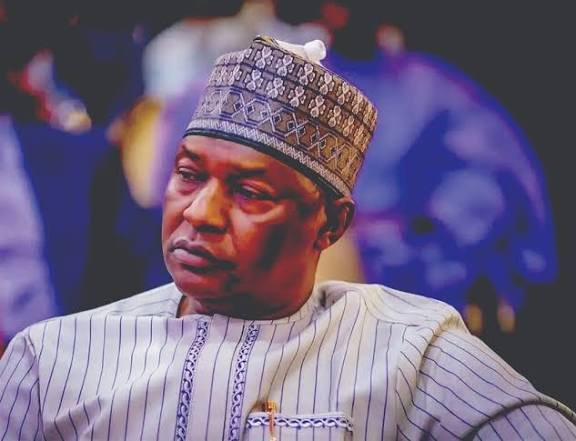

Former Attorney-General of the Federation and Minister of Justice, Abubakar Malami, SAN, has accused the Economic and Financial Crimes Commission (EFCC) of ignoring a valid court order granting him bail, alleging that the agency is unlawfully keeping him in custody while conducting a “media trial.”
In a statement released on Wednesday by his media aide, Mohammed Bello Doka, Malami claimed that EFCC officials have refused to comply with the bail order issued by the High Court of the Federal Capital Territory, Abuja, on December 23, 2025, despite being formally served with the court documents.

“The EFCC has chosen to place itself above the courts, treating binding judicial orders with open disdain,” the statement said, describing the agency’s actions as “open contempt of court” and a violation of constitutional provisions and the rule of law.
According to Malami’s office, the former minister has been detained for over 14 days without arraignment before a court of competent jurisdiction, a situation described as illegal, oppressive, and a breach of his fundamental rights.
The statement further accused the EFCC of orchestrating selective media briefings intended to tarnish Malami’s reputation and sway public opinion.
“This deliberate media trial is an abuse of power intended to secure public condemnation after failing to obtain judicial backing,” it added.
READ ALSO:
- Tinubu Arrives Lagos After Meeting Plateau Attack Victims
- NAPTIP Foils Egypt Job Scam, Rescues 47 Nigerians At Airport
- INEC Defends Withdrawal From ADC Factions, Cites Court Order
- Plateau Killings: ‘No Amount Of Money Can Replace Them’ — Tinubu Comforts Jos Victim’s Mother
- “Nigeria Is Yet To See Tinubu’s Best” — Gbenga Daniel
Malami maintained his willingness to submit to due process, insisting that any allegations against him should be determined in a court of law, rejecting instead what he termed “trial by detention, trial by media, and trial by political vendetta.”
The statement called on the judiciary to take urgent notice of the alleged contempt, urged oversight bodies to hold the EFCC accountable, and appealed to Nigerians to resist what it described as a dangerous precedent threatening democratic governance.
“No agency, no matter how powerful, is above the law,” the statement concluded. As of this report, the EFCC had not responded to the allegations.