




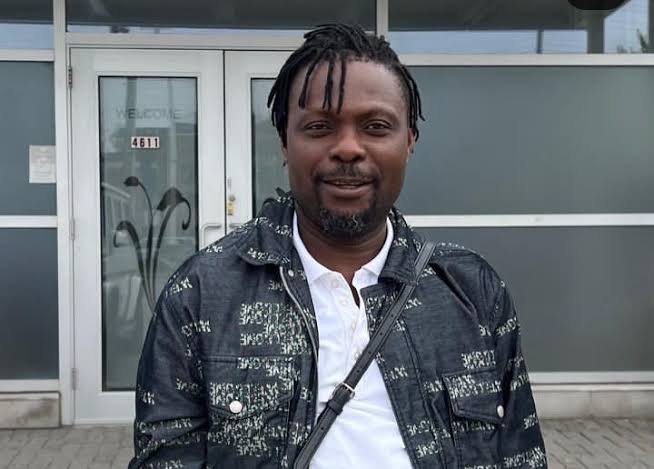

Nollywood actor and filmmaker, Kunle Afod, has criticised the Ondo State Governor, Lucky Aiyedatiwa, over the deteriorating state of infrastructure and basic amenities in Ose Local Government Area.
Afod, who said he had been appealing to the state government for nearly a month, expressed frustration on Monday evening, accusing authorities of neglecting the needs of residents in the area.

He also highlighted that some communities have been without electricity for years, noting that Idoani has reportedly been in darkness for about eight years, while other areas have gone without power for up to two decades.
“Governor Lucky Aiyedatiwa, you think I will keep quiet if you ignore my plea for Ose Local Government. No, I’m not keeping quiet. I’m calling again on the Chairman of Ose Local Government, Hon CK Ojo, let’s watch this video together. This is CAC nursery and primary school in Idoani, look at another school under the same Ose LGA.
“All the teachers have run away, all the children in these communities no longer attend school. There’s no accessible road to the communities, and you are at peace managing the resources of the state poorly the way you like. There’s no accessible road to all the communities in Ose LG.
READ ALSO:
- Kebbi Assembly Speaker Dies In Egypt
- Kunle Afod Calls Out Ondo Governor Over Poor Infrastructure
- Tinubu To Commission Six Key Projects in Lagos
- Trump Sets Tuesday Deadline, Warns Iran Could Be ‘Taken Out’
- Sunshine Rosman Laments Hardship, Insecurity In Nigeria
“The health system is totally bad, they have closed down all the general hospitals in Idoani. There’s no commercial bank in this area again. Governor Aiyedatiwa call the Chairman, House of Rep representatives, those in House of Assembly and the Senator in that constituency and work with them. How long will Ose Local Government continue like this?”
Afod urged the governor and other elected officials to urgently collaborate to address the challenges, stressing that residents in the area are being deprived of basic services.
His remarks have sparked conversations about the state of infrastructure and governance in the affected communities.