



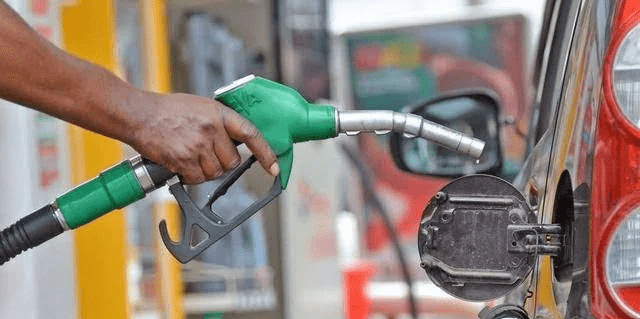

Minister of State for Petroleum Resources, Sen. Heineken Lokpobiri, has directed petroleum marketers to immediately lower the pump prices of Premium Motor Spirit (PMS) and other petroleum products to reflect the recent drop in global oil prices.
Lokpobiri issued the directive on Monday in Abuja during the 2026 Nigerian Midstream and Downstream Petroleum Regulatory Authority (NMDPRA) General Counsel and Legal Advisers Forum themed, “Beyond Compliance: Certainty and Investment Confidence in Nigeria’s Petroleum Sector.”

He said the easing of tensions between Iran and the United States had contributed to a decline in global oil prices and should ordinarily lead to lower fuel prices locally.
The minister, however, expressed dissatisfaction that the expected reduction had yet to be seen at filling stations, warning marketers against taking undue advantage of the deregulated market to increase profits.
According to him, while deregulation allows market forces to influence pricing, regulators still have the responsibility of ensuring consumers are not exploited and that provisions of the Petroleum Industry Act (PIA) 2021 are upheld.
“For too long, the dominant question in our regulatory conversations has been: are operators complying? That question matters. It will always matter. But it is no longer sufficient.
“The more consequential question today is this: are our regulatory authorities doing their job? Is it clear, consistent and predictable enough to give investors the confidence they need to commit capital, not just for one cycle, but for the long term?
“Compliance is the foundation. Regulatory certainty is the ceiling we must now be building toward,” he said.
Lokpobiri urged marketers to embrace fair pricing practices so Nigerians can benefit from prevailing market conditions, while also encouraging regulators to focus on creating stable policies that attract long-term investment.
He said Nigeria’s petroleum sector had entered a new phase following deregulation, describing the policy as a major reform introduced by President Bola Tinubu.
According to him, the policy created room for projects such as the Dangote Refinery and other refining initiatives while helping to eliminate recurring fuel scarcity.
READ ALSO:
- ‘Leave My Family Alone’ — Woman Accuses Irewole Olaniyan Of Affair With Husband
- Lagos Varsity Workers Declare Strike Over Unpaid Nine-Month Salary Arrears
- Imo Abductions: IGP Deploys DIG To Lead Rescue Of 20 NYSC Prospective Members
- Amaechi: Rising Drug Costs Under Tinubu Contributed To My Mother’s Death
- 15 Villagers Killed In Fresh Boko Haram Attack In Borno
“It also ensured that artificial scarcity has become a thing of the past.
“You can attest to the fact that since 2023 there has been availability of products in country even with the recent challenges posed by the US-Israeli/Iranian conflict.”
The minister also stressed the importance of accountability in product dispensing, insisting consumers must receive the exact quantity paid for.
“Beyond allowing prices to be determined by market forces, the question is: what is the regulator doing to ensure that consumers receive the correct quantity of product?
“When someone pays for 10 litres of PMS, they should receive exactly 10 litres, not less,” he warned.
Lokpobiri further described legal advisers as important stakeholders whose roles go beyond legal interpretation to supporting investment decisions, improving regulation and strengthening the sector’s growth.
He added that with growing domestic refining capacity and increased private sector participation, Nigeria must prioritise policy consistency, transparent regulations and stronger collaboration to attract more investment into the petroleum industry.