




The Federal Government has announced plans to discontinue the policy that separates Junior Secondary Schools (JSS) from Senior Secondary Schools (SSS) across Nigeria.
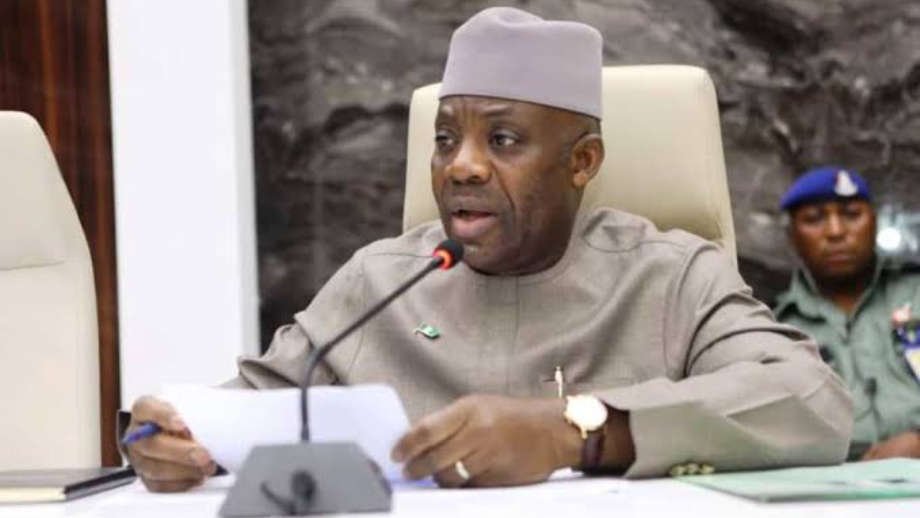
Minister of Education, Tunji Alausa, disclosed this on Tuesday in Abuja during the inauguration of the Universal Basic Education Commission (UBEC) ministerial implementation and monitoring committee.

According to the minister, the disarticulation policy — which created separate administrative and physical structures for junior and senior secondary schools — has not delivered the expected results.
“We’re seeing data from, say, like Kaduna and other northern states, because you have one principal for junior secondary schools and another principal for senior secondary schools,” Alausa said.
“We have overflowing JSS and empty senior secondary schools. So, I can objectively report today that this disarticulation policy has failed. We will phase it out.
“We can’t be creating positions because we want to create a director level for people while we harm our education system. It’s not right. It’s about doing what is good for every Nigerian child.”
Alausa said the arrangement has contributed to widening the gap in enrolment between primary and secondary education.
He stated that millions of pupils who entered primary school were unable to continue into higher levels of education.
“We have 20 million dropouts from primary school to JSS. Where are those students? And what we also noticed was that we have 80,000 public primary schools, and junior secondary schools, we have just about 15,000 that ratio one to eight,” he said.
“And if you look at the completion rate. So, it’s us as a government not doing what we need to do, but the previous government might have failed in this regard, but this government will not fail.
“We’re fixing this, so we need to open up as many more opportunities for students to attend these schools, primary schools’ infrastructure. This disarticulation policy has also contributed to this.”
READ ALSO:
- Peter Obi: I Won 2023 Election, But There Is No Evidence
- INEC Plans AI Use In 2027 General Election
- Femi Adebayo Unveils Euphoria 360 Hub To Boost Film Production
- Ondo Deploys Swamp Buggies To Recover Crashed NAF Aircraft
- Laide Bakare Accuses Ex-Husband’s Wife Of Mistreating Her Children
The minister explained that the newly inaugurated UBEC committee has been assigned to oversee the execution and supervision of projects funded by the commission, including smart schools, bilingual schools and alternative learning centres.
He noted that although significant funding had been released for education projects, many remain incomplete, while some finished facilities have not been transferred to state governments or fully integrated into local education systems.
According to Alausa, the committee will ensure that these projects are completed and made functional to improve access to quality education for Nigerian children.