



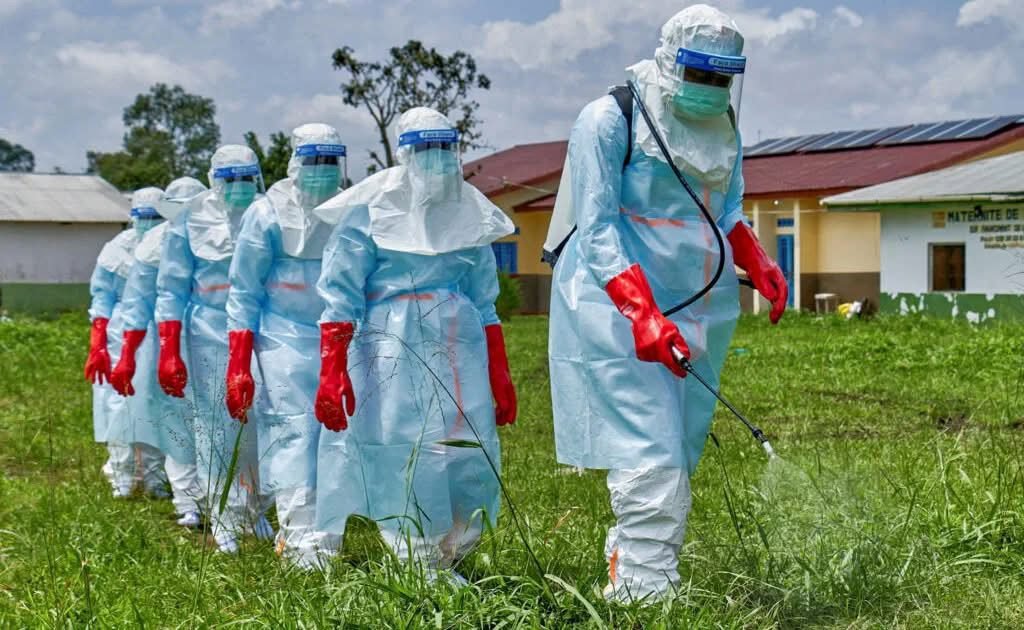

The Federal Government has confirmed an Ebola case in the Federal Capital Territory (FCT) and begun contact tracing as part of efforts to prevent the spread of the deadly viral disease.
The Minister of Health and Social Welfare, Prof. Ali Pate, disclosed on Tuesday that 44 close contacts of the confirmed case had been identified.

Ebola is a severe illness that can be fatal, particularly without appropriate medical care. The virus spreads through direct contact with the blood and other bodily fluids of an infected person or someone who has died from the disease.
Symptoms include fever, fatigue, muscle pain, headache, sore throat, vomiting and diarrhoea. Severe cases may also involve unexplained bleeding.
The World Health Organisation states that infected individuals do not transmit the virus before symptoms appear, while the incubation period ranges from two to 21 days.
Nigeria previously experienced an Ebola outbreak in 2014, which was successfully contained. In June 2026, the Nigeria Centre for Disease Control and Prevention activated an Ebola emergency watch in Lagos, the FCT and eight other states.
With the latest confirmed case raising concerns about possible transmission, Nigerians need to understand how the disease spreads, recognise its symptoms and take preventive measures.
What is Ebola disease?
Ebola disease is a serious illness in humans that can cause severe complications and death.
Three viruses are known to have caused major Ebola disease outbreaks: Ebola virus, Sudan virus and Bundibugyo virus.
READ ALSO:
- Ebola Outbreak: What Nigerians Need to Know About Symptoms, Transmission, Prevention
- 2027 Polls: Vote Tampering Will Land Offenders in Jail, INEC Warns
- Adeboye Visits Costa Rica President
- FG Confirms Ebola Case in Abuja, Begins Contact Tracing for 44 People
- Why Lagos Won’t Borrow to Build Fourth Mainland Bridge — Hamzat
The infection can spread through direct contact with the blood or bodily fluids of infected people. Transmission may also occur through contaminated objects and surfaces, including clothing, bedding and medical equipment.
What are the symptoms of Ebola?
Symptoms of Ebola may include:
- Fever
- Fatigue and weakness
- Muscle pain
- Headache
- Sore throat
- Vomiting
- Diarrhoea
- Unexplained bleeding in severe cases
The time between infection and the appearance of symptoms can range from two to 21 days.
Anyone who develops symptoms after possible exposure should seek urgent medical attention and inform healthcare workers about the potential exposure before arriving at a health facility, where possible.
How can Ebola be prevented?
Preventive measures are essential to limiting the spread of the disease, particularly during an outbreak.
Nigerians are advised to observe the following precautions:
- Maintain good hygiene: Keep homes and surroundings clean to reduce the risk of exposure to infectious materials.
- Wash hands regularly: Use soap and clean water, particularly after contact with potentially contaminated surfaces or materials.
- Avoid infected wildlife: Do not handle fruit bats, monkeys or apes suspected of carrying the virus.
- Avoid risky bush meat: Stay away from raw meat from wild animals and avoid bush meat from unknown sources during outbreaks.
- Keep your distance from suspected cases: Avoid direct contact with infected people and their blood or other bodily fluids.
- Ensure proper isolation: Suspected cases should be managed at designated treatment centres to facilitate early care and prevent transmission to household members.
Can Ebola be treated?
Early intensive supportive care, including rehydration and treatment of symptoms, can improve the chances of survival.
Prompt identification of suspected cases, appropriate medical care and effective contact tracing are also important in controlling outbreaks and preventing further infections.
As health authorities respond to the confirmed case in the FCT, Nigerians are encouraged to follow official public health advice, practise good hygiene and seek medical attention promptly if they develop symptoms after a possible exposure.