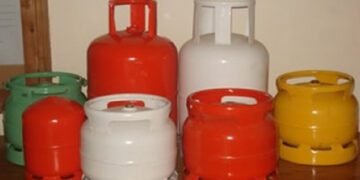




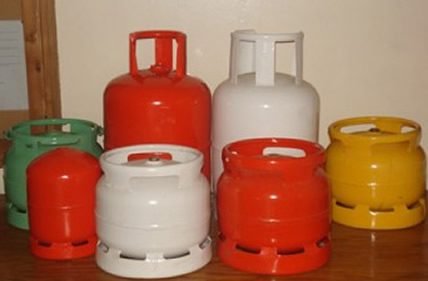

The cost of cooking gas has continued to climb in several parts of Lagos, Ogun, and Abuja as marketers raise concerns over worsening supply shortages and increasing operational expenses in the liquefied petroleum gas sector.
Findings by TheCable on Monday showed that the product now sells between N1,400 and N2,000 per kilogramme in different locations.

In Ikorodu, Lagos, residents purchased cooking gas for N1,800 per kg, compared to about N1,300 recorded nearly a month ago.
At Afeeze Bus Stop in Ogba, the price reportedly jumped from N1,500 to N2,000 per kg within three weeks.
Consumers in Akoka, Yaba, bought the product for N1,500 per kg, while it sold for N1,400 per kg in Ojota.
In parts of Mowe around the RCCG camp in Ogun State, cooking gas also reached N2,000 per kg. In Owerri, Imo State, the commodity was sold for about N1,500 per kg.
Reacting to the development, the Nigerian Association of Liquefied Petroleum Gas Marketers lamented the ongoing supply difficulties affecting the sector nationwide.
According to NAN, the association, in a joint statement signed by its president, Edu Inyang, and executive secretary, Bassey Effiong, said consumers across Nigeria are now paying above N1,500 per kg for cooking gas.
NALPGAM explained that operators currently spend between N25.2 million and N26.2 million to purchase a 20-metric-tonne truck of LPG, depending on the location.
READ ALSO:
- Tinubu Leaves Paris For Lagos, Set For Political Meetings Ahead Of 2027
- Otedola Meets Tinubu In Paris, Praises FG’s Economic Reforms
- Danielle Adewusi Emerges Miss Universe Nigeria 2026
- Osun Food Scheme Leaves Residents Stranded As Police Step In
- Atiku Demands Accountability For Existing Debt Before FG Takes $1.5bn World Bank Loan
“The rising cost and erratic supply of cooking gas have imposed severe hardship on households, food vendors, small businesses and low-income earners who depend on LPG for daily cooking,” the association stated.
The marketers warned that the situation could reverse years of progress made in encouraging Nigerians to adopt cleaner cooking energy instead of firewood, charcoal, and kerosene.
The association also highlighted several issues affecting operators, including supply shortages, high depot prices, transportation difficulties, and increasing operational costs.
According to the group, failure to address the crisis urgently may worsen food inflation, force some LPG businesses to shut down, lead to job losses, and threaten the country’s clean energy objectives.
“We cannot stand by and watch millions of Nigerian families suffer in silence while access to clean cooking energy becomes increasingly unaffordable,” the statement added.
NALPGAM called on the federal government and stakeholders in the petroleum sector, including the ministry of petroleum resources, NMDPRA, NNPC Limited, domestic producers, and terminal operators, to take immediate action to stabilise the LPG market.
The association further recommended increased domestic gas supply, improved distribution, reduction in importation and storage challenges, as well as policies aimed at stabilising prices nationwide.