




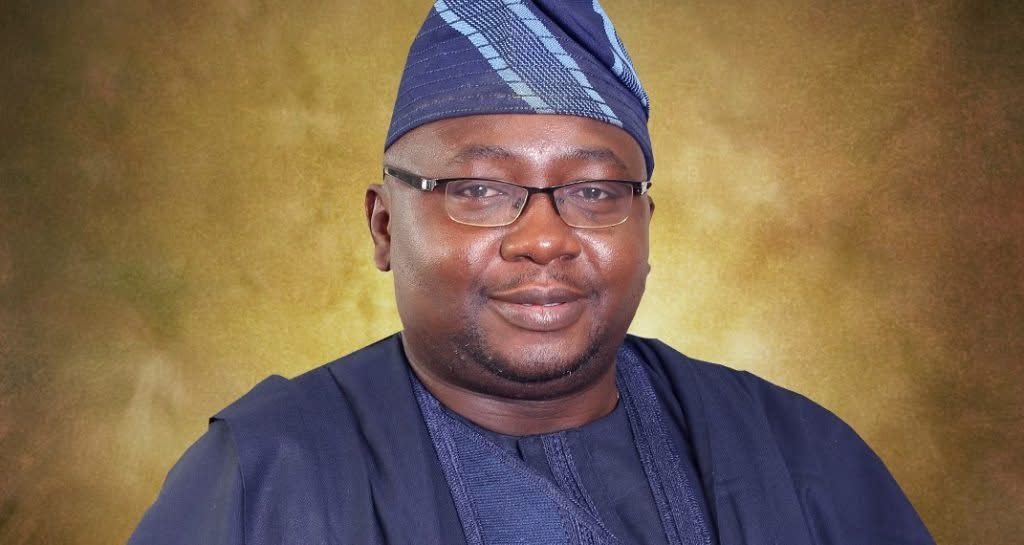

The Chief Technical Adviser to the Minister of Power, Adebayo Olowoniyi, has assured Nigerians that electricity supply will begin to improve as repairs on a major gas pipeline near completion.
Olowoniyi made this known during an appearance on Arise TV on Thursday, coming days after the Minister of Power, Adebayo Adelabu, apologised to Nigerians over the recent wave of power outages affecting homes, businesses and industries nationwide.

Reacting to the minister’s apology, Olowoniyi said it demonstrated responsibility and leadership rather than an admission of fault.
“I think, first of all, I’d like to start with the apology from the Honourable Minister, which we believe is all about taking leadership in the sector.”
He expressed optimism that the situation is already improving, noting that the restoration process has started and will continue progressively in the coming days.
“I would already say that from yesterday, we would have gradually started to see some improvement as the pressure on the pipeline gradually starts to build up, and we will see continuous improvement over the next couple of weeks,” he said.
Earlier, Adelabu had apologised to Nigerians in Abuja, explaining that the outages were caused by factors beyond immediate government control but assuring that normal supply would be restored soon.
“I can tell you, with the committee that we have set up, and commitments from gas suppliers, and the timeline for repair of the gas pipelines, two weeks from now, we should start seeing improvements in supply. Two weeks,” the minister said.
READ ALSO:
- ‘I’ll Be Nigeria’s President Someday’ — 2Baba’s Wife Natasha Osawaru
- Obasanjo: Nigeria Has No Reason To Remain Poor
- Toyin Abraham Features Pete Edochie In December Film ‘Bestie’
- Dangote: ‘I Had My First Private Jet At 22’
- Desmond Elliot Kneels To Beg Gbajabiamila Over APC Primary Conduct
He also reiterated the Federal Government’s plan to increase electricity generation to 6,000 megawatts before the end of 2026, describing the current disruptions as temporary.
Nigeria’s power sector continues to face longstanding challenges, including insufficient gas supply, ageing infrastructure, transmission issues, and financial constraints across the system.