




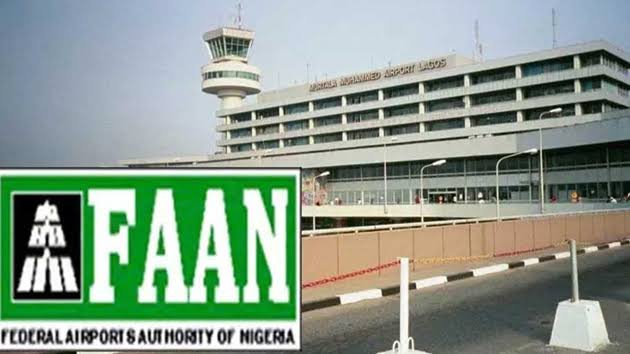

The Federal Airports Authority of Nigeria will implement a hybrid payment system at airport access gates nationwide starting March 13, 2026, allowing both cash and electronic transactions.
The decision comes after the earlier full cashless system caused traffic congestion at some airports, leading to its suspension following directives from President Bola Tinubu.

Festus Keyamo, Minister of Aviation and Aerospace Development, instructed FAAN to halt the cashless-only system and revert to a more flexible approach. A hybrid method will also accommodate users who already hold the FAAN Go Cashless Card.
According to Tunde Moshood, special adviser on media and communications to the minister:
“The ministry has resolved to engage concessionaires in order to introduce a fully automated or electronic system at access gates at the airport in order to fully and eventually eliminate cash payment. In the meantime, a hybrid payment system that accommodates both cash and card payments will resume at all airport access gates with effect from Friday, March 13, 2026.”
Moshood added that motorists who already possess FAAN Go Cashless Cards may continue using them, and other electronic options, including POS terminals and approved digital channels, will remain available.
“The directive restores the previous access gate payment arrangement while the ministry continues to work on the fully automated or electronic system,” the statement noted.
READ ALSO:
- Madam Saje Ends Heated Rift Between Toyin Abraham, Funke Akindele
- DSS Takes Custody Of El-Rufai After Court Proceedings, Ruling Fixed For April 14
- Sterling Bank Marks One Year Of Zero Transfer Fees, Returns N1.6bn To Customers
- Lagos CP Bans Taskforce From Traffic Enforcement Operations
- “Nothing I Do Is Ever Right” — Busola Oke Laments Constant Criticism
The ministry encouraged road users to obtain and use the FAAN Go Cashless Card as part of ongoing efforts to enhance and optimise the airport payment system.
Earlier, on March 4, Keyamo said his team would review the first seven days of the cashless system to address operational challenges, eliminate corruption, and improve revenue collection.