



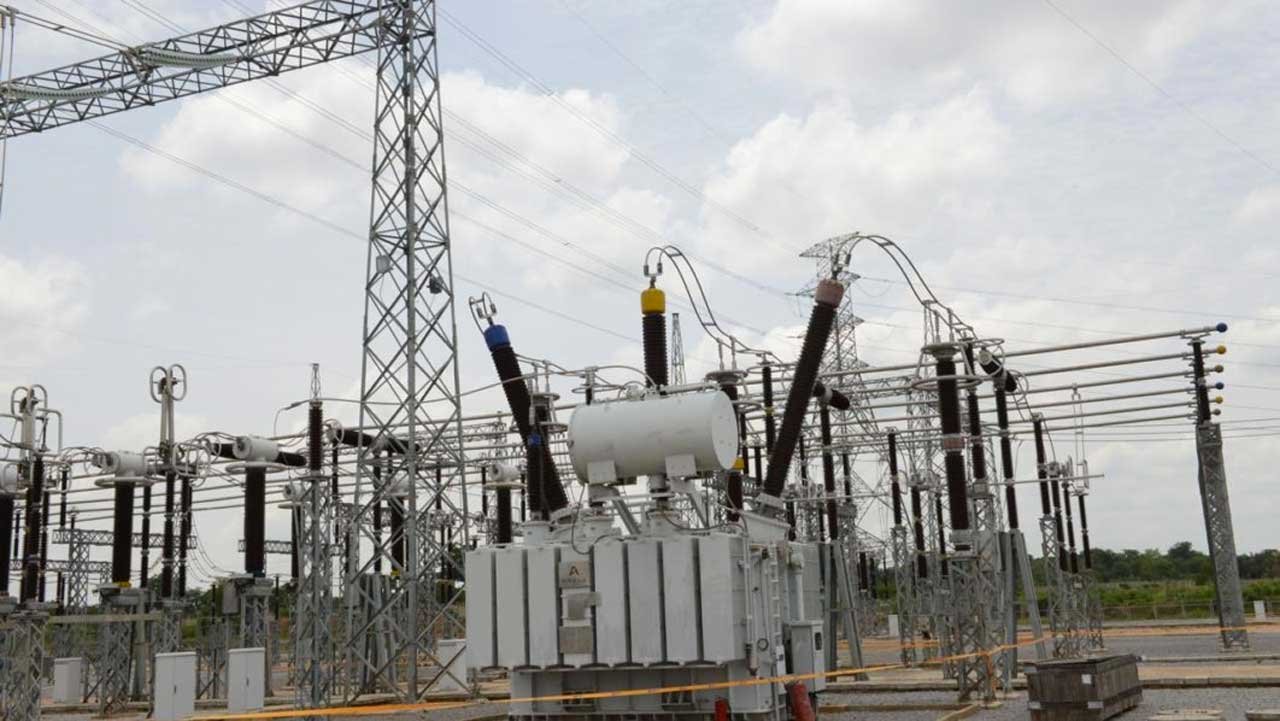

Nigerians are experiencing further reductions in electricity supply as gas shortages and falling water levels at hydroelectric reservoirs continue to affect power generation across the national grid.
The situation has compelled electricity distribution companies (DisCos) to cut supply hours and introduce more frequent load shedding, worsening the challenges faced by households and businesses amid rising temperatures.

The Nigerian Independent System Operator (NISO) disclosed this in a statement signed by its management on Thursday, identifying inadequate gas supplies to thermal power plants and declining output from hydroelectric stations as the major causes of the shortfall.
The development exposes the challenges facing Nigeria’s electricity sector, which depends largely on gas-powered plants and hydroelectric facilities to generate power for consumers.
In the statement, NISO said the two sources had experienced operational limitations, reducing the amount of electricity available on the national grid.
“The Nigerian Independent System Operator wishes to inform the public that the current decline in electricity generation on the national grid is primarily attributed to constraints in gas supply to thermal power generating stations and reduced output from hydroelectric power stations.
“The limited availability of gas has constrained the capacity of affected thermal generating stations to operate at their available levels, while reduced water inflows into reservoirs have impacted the generation capacity of hydroelectric power stations,” the operator stated.
NISO explained that thermal plants could not generate electricity at their full available capacity because of insufficient gas, while lower water inflows into reservoirs had equally affected the performance of hydroelectric stations.
The combined challenges have reduced the quantity of electricity allocated to distribution companies for onward delivery to consumers, resulting in shorter supply hours and increased load shedding.
The operator stated, “Consequently, the reduction in available generation has affected the quantum of electricity allocated to Distribution Companies (DisCos) for onward supply to consumers thereby resulted in reduced hours of electricity supply and increased load shedding across distribution networks, with the level of impact varying according to available generation and the corresponding allocations to individual DisCos.”
The power shortage comes at a time when intense heat has increased the need for electricity to operate fans, air conditioners and other cooling appliances in homes, offices and public facilities.
Small businesses are also facing additional difficulties, particularly those that depend on electricity for refrigeration, food preservation, water pumping and other daily operations.
With reduced grid supply, many operators may have to rely more heavily on petrol and diesel generators, increasing their running costs.
The situation has also raised concerns amid the emerging effects of El Niño, a climate phenomenon associated with unusually high temperatures and changes in rainfall patterns.
The Nigerian Meteorological Agency, in an August 2026 climate update, confirmed the development of a strong El Niño event, warning of its potential influence on global weather conditions.
The World Meteorological Organisation also projected that the phenomenon could intensify towards the end of 2026 and continue into early 2027.
The combination of high temperatures and unstable electricity supply has placed additional pressure on households, especially those dependent on electric fans and air conditioners to cope with the heat.
Nigeria’s dependence on gas-fired thermal plants and hydroelectric stations means disruptions affecting either source can significantly reduce the electricity available across the country.
Reacting to concerns over the situation, NISO acknowledged the difficulties faced by electricity consumers and said it was working to manage available generation while maintaining stability across the national grid.
READ ALSO:
- Nigerians Face Worse Power Supply as Gas Shortages, Low Water Levels Hit Electricity Generation
- Late Herbert Wigwe’s Daughter Holds Traditional Wedding in Lagos
- Cristiano Ronaldo Announces Retirement From International Football
- Hallos Introduces Reward-Based Learning Initiative for African Students, Professionals
- Shell Executive Vice President and Country Chair Elohor Aiboni honoured with DTN@100 Changemaker Award
The operator stated that efforts were also ongoing to diversify the country’s energy sources to improve electricity supply security.
“NISO acknowledges the impact of the current generation shortfall on electricity consumers nationwide and appreciates the concerns expressed by members of the public and other stakeholders.
“While we are actively working on the diversification of our energy mix for the national grid to ensure security of supply, NISO remains committed to maintaining grid stability, optimizing the dispatch of available generation, and ensuring the secure, reliable and efficient operation of the national grid within prevailing operational constraints,” the statement added.
The latest setback has renewed concerns over Nigeria’s persistent gas supply challenges and the need to invest in alternative energy sources to reduce the national grid’s dependence on a limited number of generation options.