



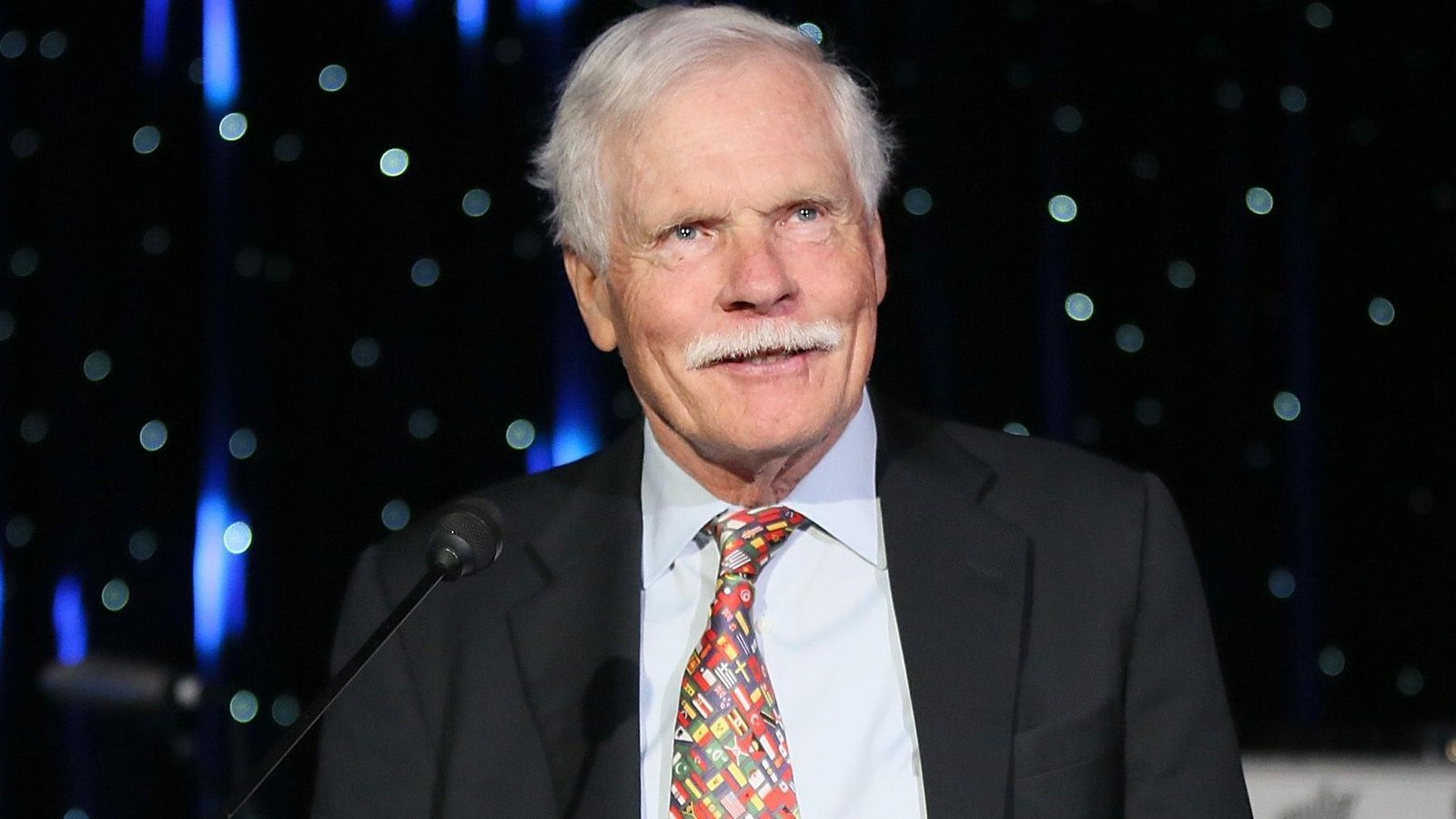

Media entrepreneur Ted Turner, widely regarded as a pioneer in modern broadcasting, has died at the age of 87, according to a statement issued by Turner Enterprises on Wednesday.
Turner gained global recognition for launching CNN in 1980, introducing a continuous news format that reshaped how audiences consume information around the world.

“Turner’s vision changed journalism forever by making news immediate, global, and constant,” the statement from Turner Enterprises said.
Beyond CNN, he expanded his influence across the media landscape, building a broad empire that included Cartoon Network and Turner Classic Movies. He also owned the Atlanta Braves, helping to elevate the team’s visibility nationwide.
“He was a once-in-a-generation media pioneer whose influence touched every corner of modern broadcasting,” a former CNN executive said.
In addition to his business achievements, Turner was known for his philanthropic work and commitment to environmental causes. He established the United Nations Foundation after pledging $1 billion to support global initiatives and became one of the largest private landowners in the United States.
His environmental advocacy extended to projects focused on wildlife conservation, as well as awareness campaigns like the animated series Captain Planet and the Planeteers.
In 1991, Time magazine honoured him as Man of the Year, recognising his far-reaching impact on global media and public consciousness.
“He turned viewers into instant witnesses to history,” the magazine noted at the time.
After selling much of his media holdings to Time Warner, Turner gradually stepped back from active leadership, though he remained closely linked to CNN, often describing it as his greatest accomplishment.
READ ALSO:
- Tinubu Accuses Opponents of Creating Hunger, Poverty at Kaduna Rally
- Military Tanks, Personnel Deployed at Abuja City Gate Ahead of Obi-Kwankwaso Mega March
- Zlatan Unveils Traditional Wedding Photos
- Okoya Family Disputes Fatai’s Firstborn Claim, Reveals Benefits Received
- Macron Postpones Nigeria Visit Amid Protests, Unrest in France
In 2018, he disclosed that he had been diagnosed with Lewy body dementia and had since experienced declining health.
“Ted was fearless in his ideas and relentless in pursuing them,” a longtime associate said. “He believed in his instincts when few others did.”
His passing marks the close of a remarkable chapter in media history, as one of the most influential figures in global broadcasting.